Is Your Concrete Slab in Davie Showing Cracks?
Most property owners see a crack and think it's just cosmetic. Surface-level stuff. But concrete doesn't lie — and if you ignore what it's telling you, you're setting yourself up for bigger problems down the road. Cracks may start small, but they leave a trail. Especially when water gets in or the soil underneath starts shifting.
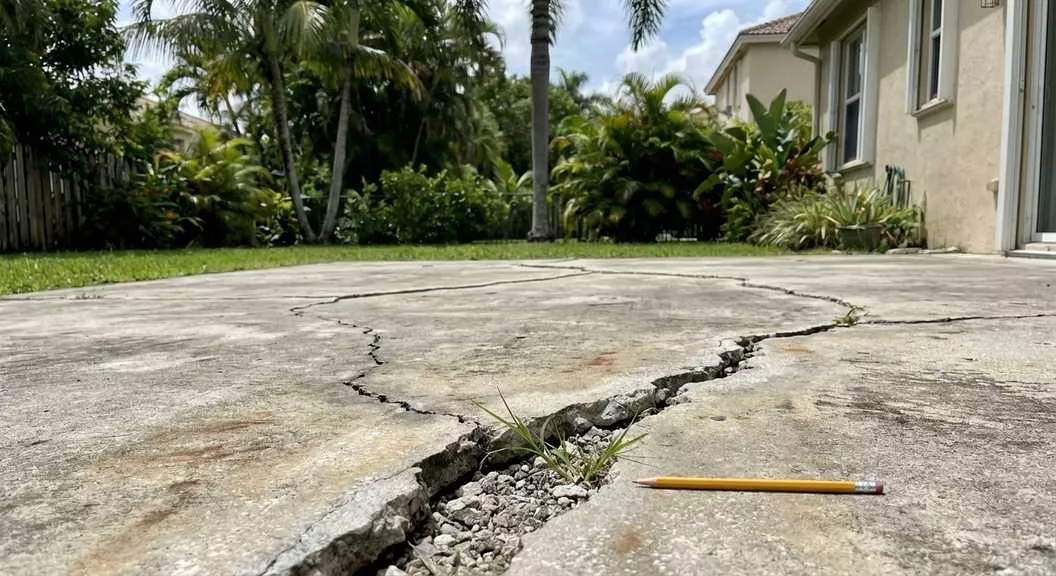
So here's what matters. If you've got a slab holding up your foundation, patio, or driveway, those cracks aren't just about appearance. Every fracture has a cause. Every gap needs attention. And every repair decision should be grounded in what's happening beneath the surface — not just what you can see from above.
The Ground Beneath You Isn't as Stable as You Think
Davie sits on soil that moves. Not dramatically, but enough to matter. When the rainy season hits, the ground swells. When it dries out, it contracts. That cycle puts constant pressure on anything resting on top of it — including your concrete slab. Over time, that stress shows up as cracks.
But soil movement isn't the only culprit. Poor installation practices can set you up for failure from day one. If the base wasn't compacted properly, or if the contractor skipped reinforcement, your slab was already vulnerable before it even cured. Add in Florida's heat, heavy loads, and natural shrinkage, and you've got a recipe for fractures that won't fix themselves.
Not Every Crack Means Catastrophe
Some cracks are just part of the process. Hairline fractures that appear during curing? Usually harmless. But when those lines start widening, deepening, or creating uneven surfaces, that's when you need to pay attention. The difference between a cosmetic issue and a structural one often comes down to width, depth, and whether the crack is growing.
Here's what separates the minor from the major:
- Hairline cracks under 1/8 inch are typically surface-level and don't threaten stability
- Cracks wider than 1/4 inch suggest movement or settling that needs professional evaluation
- Displacement where one side sits higher than the other signals serious foundation issues
- Pattern cracking that looks like a spiderweb or map points to curing problems or weak mix
- Cracks that grow over weeks or months indicate ongoing stress that won't resolve on its own
What Happens When You Wait Too Long
Ignoring cracks doesn't make them go away. It makes them worse. Water seeps into those gaps, especially during Davie's heavy rains. Once moisture gets underneath, it erodes the base, expands when temperatures shift, and accelerates the damage. What started as a thin line can turn into a full structural issue if left unchecked.
And it's not just water. Roots can work their way into cracks. Pests can find entry points. The longer you wait, the more expensive the fix becomes. Small repairs are manageable. Full slab replacement? That's a different conversation — and a much bigger bill.
Steps to Take When You Spot a Problem
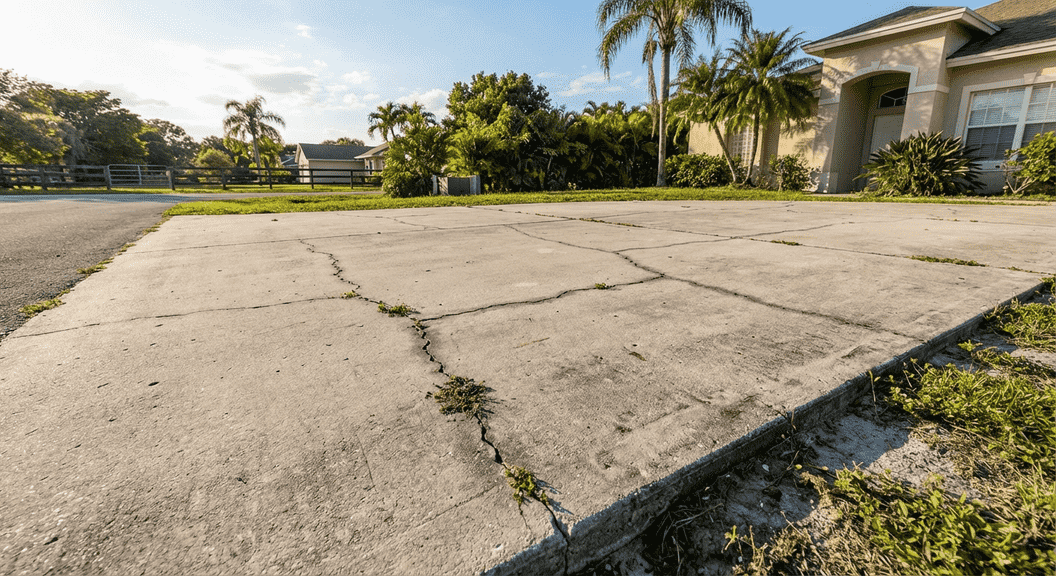
First, document what you're seeing. Measure the crack. Take photos. Mark the ends with a pencil or chalk and check back in a week to see if it's expanding. If it's stable and narrow, a quality sealant might be all you need to prevent moisture intrusion and keep things from getting worse.
But if the crack is wide, deep, or accompanied by uneven surfaces, don't try to DIY your way out of it. Call someone who knows residential concrete work. A professional can assess whether you're dealing with surface damage or something that requires lifting, stabilizing, or reinforcing the slab. Here's what that process typically involves:
- Visual inspection to determine crack type, width, and depth
- Soil analysis to check for settling or erosion underneath the slab
- Load testing to see if the slab can still handle its intended weight
- Repair recommendations ranging from epoxy injection to slab jacking or full replacement
- Preventive measures to reduce the risk of future cracking
How to Keep Your Slab from Cracking Again
Prevention starts before the concrete is even poured. Proper site prep, quality materials, and experienced contractors make all the difference. If you're installing a new slab, make sure the soil is compacted, the base is stable, and control joints are placed at the right intervals. Skipping those steps to save a few bucks upfront will cost you later.
Once the slab is in place, maintenance matters. Seal it regularly to protect against moisture and chemicals. Avoid parking heavy equipment or vehicles on areas not designed to handle the load. And if you notice drainage issues or pooling water near the slab, fix them before they cause erosion underneath.
- Compact the soil thoroughly before pouring to prevent settling
- Use reinforced concrete with proper steel or fiber mesh
- Install expansion joints to accommodate temperature changes
- Apply a high-quality sealer every few years to block moisture
- Keep gutters and drainage systems clear to prevent water buildup near the slab
When DIY Stops Being Smart
Sealing a hairline crack? That's something most property owners can handle. But anything beyond that — especially if the slab is shifting, sinking, or showing signs of structural stress — requires expertise. Concrete repair isn't just about filling gaps. It's about understanding what caused the damage and making sure it doesn't happen again.
A qualified contractor will assess the soil, check for drainage issues, and recommend solutions that address the root cause. That might mean mudjacking to lift a sunken slab, installing piers for added support, or replacing sections that are too far gone. The right fix depends on the specific problem, and guessing wrong can make things worse.
- Professionals can identify whether the issue is surface-level or structural
- They have the tools to lift and stabilize slabs without tearing everything out
- They can spot drainage or soil problems you might miss
- They'll provide a warranty on the work, so you're covered if something goes wrong
- They'll save you time, money, and the headache of a botched DIY job
Your Slab Tells You What It Needs
Cracks aren't random. They're signals. Ignoring them doesn't make the problem disappear — it just gives it time to grow. Whether you're dealing with minor surface fractures or serious structural foundations shifts, the key is acting before the damage spreads. Small repairs are straightforward. Major overhauls are not.
We've seen property owners in Davie wait too long, thinking a crack would stay small or stop growing on its own. It never does. The ones who address it early save money, avoid bigger headaches, and keep their slabs functional for years. The ones who don't? They end up replacing what could have been repaired. If you're planning broader improvements, consider how home remodeling projects can address multiple issues at once. For properties with shared structures, condo remodeling often requires specialized attention to foundation and slab concerns. Commercial properties face similar challenges, and commercial concrete work demands even more rigorous standards. Whether residential or commercial, working with experienced construction professionals ensures your concrete issues are properly diagnosed and repaired. There's no prize for waiting it out.
Let’s Protect Your Concrete Investment
We know how important a solid, crack-free slab is for your property’s safety and value. If you’re seeing signs of trouble, let’s get ahead of it together. Give us a call at 954-351-8356 to talk through your concerns, or request a quote and we’ll help you keep your concrete strong for years to come.
‹ Back
Recent Posts
-
-
Renovating a Davie Home Without Hidden Surprises
April 22, 2026
-
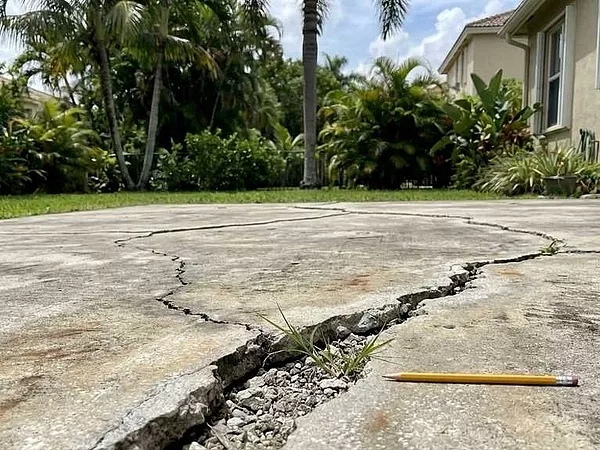
Is Your Concrete Slab in Davie Showing Cracks?
April 8, 2026
-
Room Additions in Davie That Add Home Value
March 25, 2026
-