Signs Your Commercial Property in South Florida Needs Major Repairs
South Florida commercial properties take a beating. The humidity doesn't quit. The storms roll through like clockwork. And the salt air? It's eating away at your building whether you see it or not. Most property owners wait until something breaks before they act — and by then, the damage has already spread. The smart move is catching problems early, before they turn into five-figure repair bills or tenant complaints that tank your occupancy rate.
We've seen it happen too many times. A small leak becomes a mold problem. A crack in the foundation becomes a structural nightmare. And what could've been handled with routine maintenance suddenly requires contractors, permits, and weeks of downtime. If you're managing commercial real estate in this climate, you need to know what to watch for — and when to pull the trigger on major commercial repairs.
Water Finds Every Weak Spot
Leaks don't announce themselves with fanfare. They start small — a stain on the ceiling, a damp patch near a window, a musty smell in the storage room. But in South Florida, where rain comes hard and often, those small signs are your only warning before water starts compromising drywall, insulation, and structural framing. Moisture doesn't just sit there. It spreads, it seeps, and it invites mold along for the ride.
If you're seeing recurring water issues, don't slap a patch on it and hope for the best. The source needs to be identified and fixed — whether it's a failing roof membrane, compromised flashing, or outdated plumbing. Ignoring it means you're gambling with tenant health, building integrity, and your insurance premiums.
Mold Doesn't Wait for Permission
Humidity is a constant in South Florida, and mold loves it. Once it takes hold, it spreads fast — especially in hidden areas like behind walls, under flooring, or inside HVAC ducts. Visible mold is bad enough, but the stuff you can't see is often worse. It degrades materials, triggers health complaints, and creates liability exposure that no landlord wants to deal with.
Major mold remediation isn't cheap, but it's necessary. You'll need professionals to remove contaminated materials, treat affected areas, and address the moisture source. Cutting corners here just means the problem comes back — and next time, it's bigger.
Cracks That Keep Growing
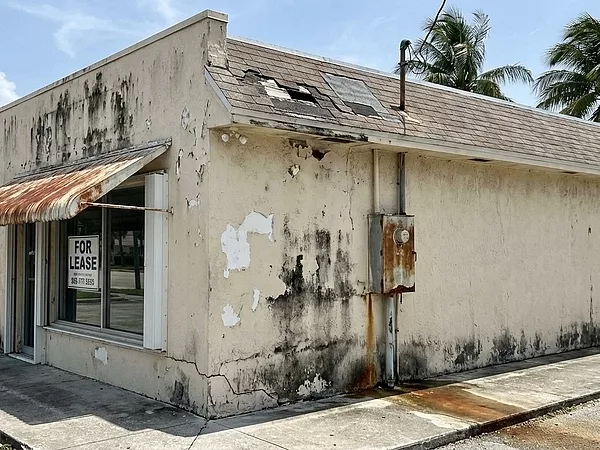
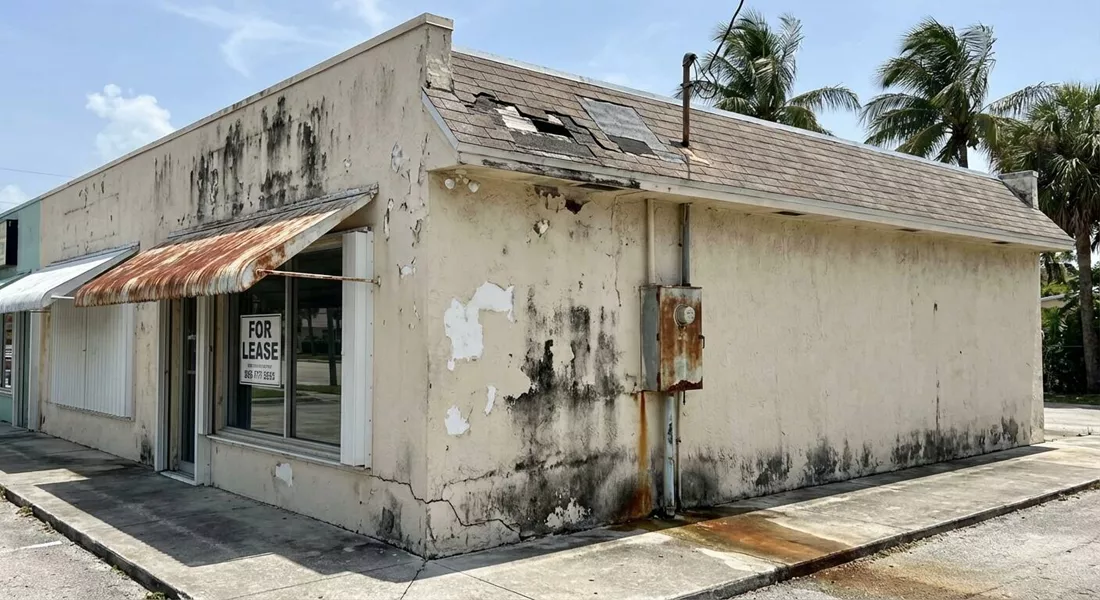
Hairline cracks in concrete or stucco? Normal settling. But when those cracks start widening, branching out, or appearing in multiple locations, you've got a structural issue on your hands. South Florida's soil conditions and water table shifts can cause foundation movement, and once that starts, it doesn't stop on its own.
We're not talking about cosmetic fixes here. Foundation problems require engineering assessments, underpinning, or slab stabilization — all major undertakings. The longer you wait, the more the building shifts, and the more expensive the repair becomes. If you're seeing significant cracking, bring in a structural engineer before it gets worse.
Your Roof Is Telling You Something
Roofs in South Florida face relentless sun, torrential rain, and hurricane-force winds. They don't last forever, and when they start failing, the signs are usually obvious — if you're looking. Missing shingles, sagging sections, pooling water, or daylight visible from inside the building are all red flags that demand immediate attention.
A compromised roof doesn't just leak. It allows water to saturate insulation, rot decking, and damage interior finishes. In severe cases, it can lead to partial collapse. Roof repairs or replacements are expensive, but they're non-negotiable if you want to protect everything underneath.
Electrical Systems That Can't Keep Up
Flickering lights and tripped breakers aren't just annoying — they're warning signs. Older commercial properties often have electrical systems that weren't designed for modern loads. Add in corroded wiring from humidity exposure, and you've got a recipe for fire hazards and code violations.
Upgrading electrical infrastructure is a major project, but it's also a safety imperative. If your system is outdated, overloaded, or showing signs of failure, it's time to bring in a licensed electrician and budget for a serious overhaul. This isn't something you can patch together with temporary fixes.
Plumbing Problems That Won't Quit
Recurring clogs, low water pressure, and visible corrosion on pipes are all signs that your plumbing system is on its last legs. South Florida's mineral-heavy water accelerates pipe deterioration, and once corrosion starts, it spreads. Leaking pipes can cause hidden water damage, mold growth, and even foundation issues if left unchecked.
Major plumbing repairs often mean replacing entire sections of piping, upgrading fixtures, and addressing drainage issues. It's disruptive and costly, but it's better than dealing with a catastrophic pipe failure that floods your property and shuts down operations. For properties dealing with outdated piping systems, commercial pipe replacement services can prevent major failures before they happen.
HVAC Failures That Cost You Twice
In South Florida, a broken HVAC system isn't just uncomfortable — it's a business killer. Tenants won't tolerate sweltering offices or retail spaces, and your energy bills will skyrocket if the system is struggling to keep up. Strange noises, inconsistent temperatures, and poor air quality are all signs that your HVAC is failing.
Older systems often can't handle the demands of modern commercial spaces, and repairs become more frequent and expensive over time. At a certain point, replacement makes more financial sense than constant band-aid fixes. Factor in energy efficiency gains, and a new system can pay for itself faster than you think.
Exterior Surfaces Breaking Down
Peeling paint, crumbling stucco, and rusting metal aren't just cosmetic issues. They're signs that your building's protective envelope is failing. South Florida's salty air and UV exposure accelerate exterior degradation, and once the protective layers are compromised, moisture and pests can get in.
Restoring exterior surfaces requires more than a fresh coat of paint. You'll need to address underlying damage, replace deteriorated materials, and apply proper sealants to prevent future issues. In many cases, property owners also start with cleaning away years of dirt, mildew, salt buildup, and surface staining before larger restoration work begins, often with companies like Pressure Washing South Florida. It's a major investment, but it protects your building's structural integrity and maintains property value.
Pests That Eat Your Investment
Termites, rodents, and other pests thrive in South Florida's climate. If you're seeing droppings, gnaw marks, or visible nests, you've got an infestation — and it's probably worse than it looks. Termites are especially destructive, silently eating away at wooden framing and supports until structural damage becomes severe.
Major pest problems require professional extermination and often structural repairs to replace damaged materials. Prevention is key, but once an infestation takes hold, you need to act fast before it compromises the building's integrity.
Safety Systems That Don't Meet Code
Fire alarms, sprinkler systems, and emergency exits must meet current building codes. If your systems are outdated or malfunctioning, you're not just risking tenant safety — you're exposing yourself to legal liability and potential fines. Upgrading safety features is a major expense, but it's non-negotiable.
Regular inspections and maintenance can catch issues early, but if your systems are old or non-compliant, you'll need to budget for significant upgrades. This isn't an area where you can cut corners or delay action.
What Happens When You Wait
Delaying major repairs doesn't save money — it multiplies costs. A small leak becomes a mold remediation project. A foundation crack becomes a structural emergency. And every day you wait, the damage spreads and the repair bill grows. We've seen property owners lose tenants, face code violations, and watch their property values tank because they didn't act when the warning signs were clear.
The key is staying ahead of the curve. Regular inspections, proactive maintenance, and quick action when problems surface — that's how you protect your investment and avoid catastrophic failures. South Florida's climate is unforgiving, but with the right approach, your commercial property can weather it without breaking the bank.
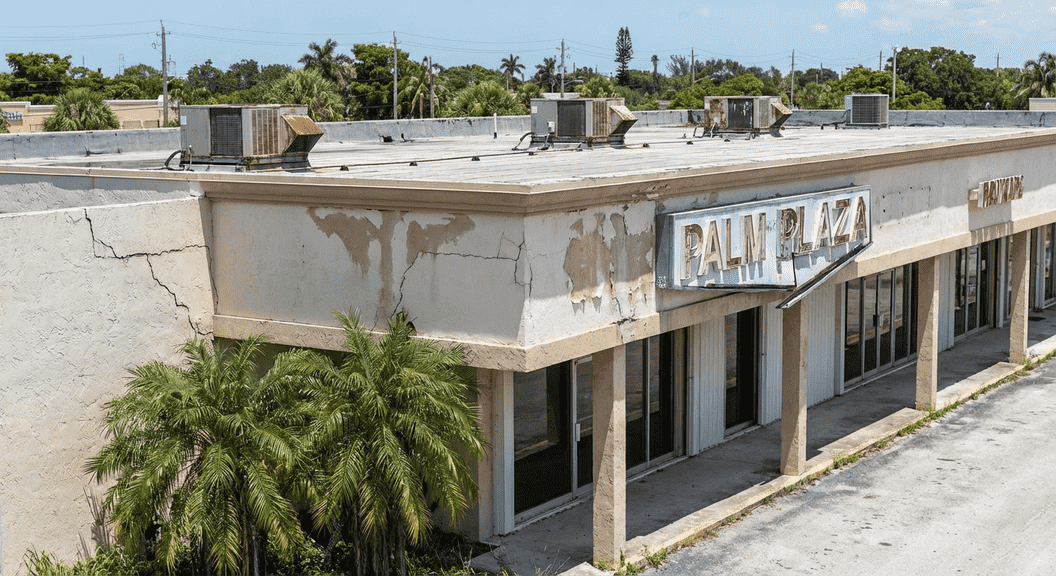
Documentation Protects Your Investment
When major repairs are needed, documentation is everything. You'll need records for insurance claims, permit applications, and tenant communications. Keep detailed logs of inspections, maintenance work, and contractor estimates. Photograph damage before and after repairs. And maintain a paper trail that shows you acted responsibly and in compliance with all regulations.
Good documentation also helps when it's time to sell or refinance. Buyers and lenders want to see that the property has been well-maintained and that major systems are in good working order. Without that proof, you'll face questions, delays, and potentially lower valuations.
Professional Assessments Save You From Guesswork
Not every problem is obvious, and not every fix is straightforward. That's why professional assessments matter. Structural engineers, roofing specialists, and licensed contractors can identify issues you might miss and recommend solutions that actually work. Trying to DIY major repairs or relying on unqualified handymen is a recipe for wasted money and recurring problems.
Invest in expert evaluations when you spot warning signs. The upfront cost is minimal compared to the expense of botched repairs or missed issues that turn into emergencies. And when it's time to execute repairs, hire qualified professionals who stand behind their work. Whether you need office building renovations or retail store buildouts, working with experienced contractors ensures quality results.
Budgeting for the Inevitable
Major repairs aren't a matter of if — they're a matter of when. Smart property owners build reserves and plan for capital expenditures before problems arise. That means setting aside funds annually, prioritizing repairs based on urgency and impact, and avoiding the scramble for emergency financing when something breaks.
If you're caught off guard by a major repair need, your options shrink fast. You'll pay premium rates for rush work, settle for less-qualified contractors, and potentially disrupt tenant operations. Planning ahead gives you control, better pricing, and the ability to schedule work on your terms. For properties in Broward County or Palm Beach County, establishing relationships with local contractors can streamline the repair process when issues arise.
Protecting What You've Built
Commercial property ownership in South Florida demands vigilance. The climate is tough, the risks are real, and the cost of neglect is steep. But with regular inspections, quick action on warning signs, and a commitment to quality repairs, you can protect your investment and keep your property competitive. Don't wait for disaster to force your hand — stay ahead of the problems, and your building will serve you well for years to come.
Let’s Safeguard Your Property Together
Staying proactive is the best way to keep your commercial property in top shape and avoid costly surprises down the road. If you’re noticing any of these warning signs or just want peace of mind, let’s talk about how we can help you protect your investment. Give us a call at 954-351-8356 or request a quote and let’s get your property the attention it deserves.
‹ Back
Recent Posts
-
-
Renovating a Davie Home Without Hidden Surprises
April 22, 2026
-
Is Your Concrete Slab in Davie Showing Cracks?
April 8, 2026
-
Room Additions in Davie That Add Home Value
March 25, 2026
-