
What to Know Before Remodeling a South Florida Business
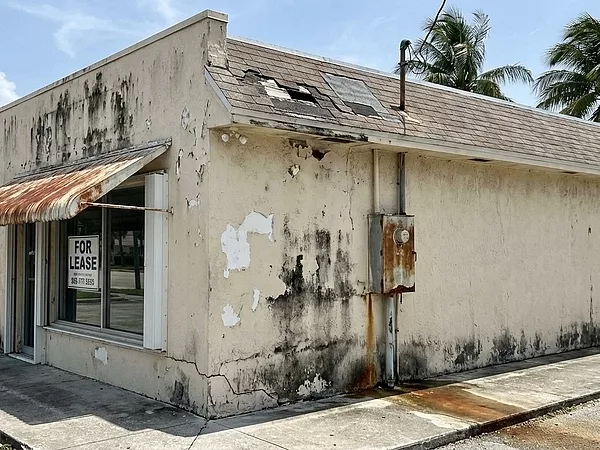
Most business owners think remodeling is just about aesthetics. Fresh paint, new fixtures, maybe a layout tweak. But in South Florida, there's a lot more at stake. Between hurricane codes, permitting red tape, and the reality of operating in a climate that doesn't forgive shortcuts, a renovation can either set you up for growth or drain your resources fast. The difference comes down to preparation.
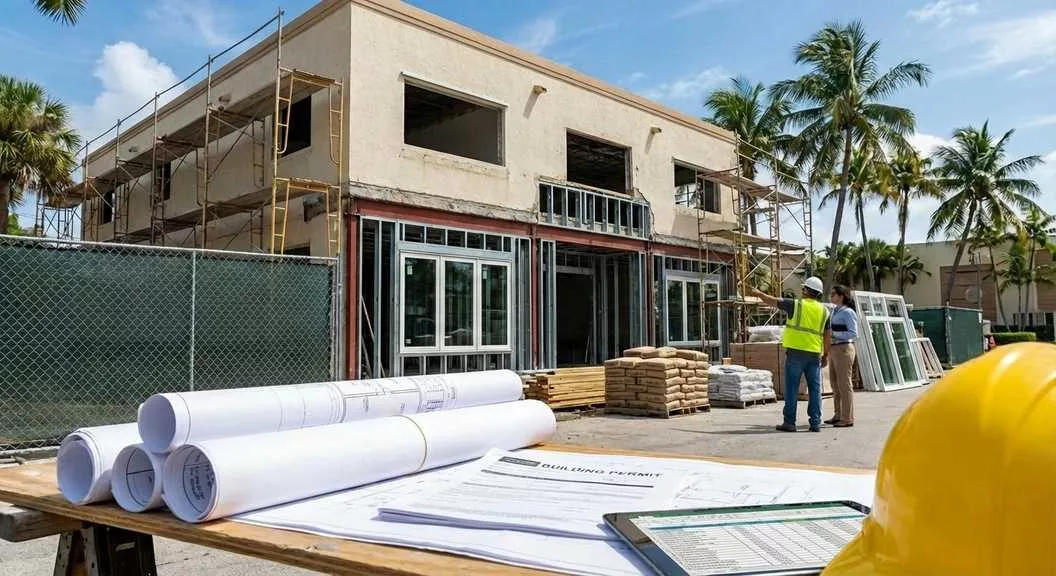
We've seen businesses rush into projects without understanding what they're signing up for. Permits get delayed. Costs balloon. Operations grind to a halt. And when the work is finally done, they realize they missed critical upgrades that could've saved them thousands down the line. If you're planning a remodel, you need to know what you're walking into before the first wall comes down.
Permitting Isn't Optional and It Takes Longer Than You Think
South Florida municipalities don't mess around when it comes to building codes. Every county has its own quirks, and what flies in Miami-Dade might not pass in Broward County or Palm Beach County. You can't just hire a contractor and start tearing things apart. Permits are required for most commercial work, and the approval process can stretch weeks or even months depending on the scope.
Skipping permits might seem like a shortcut, but it's a gamble that rarely pays off. Inspectors can shut down your project mid-construction, and you'll be on the hook for fines or forced removal of unpermitted work. Worse, if you ever sell the property or file an insurance claim, unpermitted renovations can come back to haunt you. Work with contractors who know the local system and factor permitting time into your schedule from day one.
Hurricane Standards Are Non-Negotiable
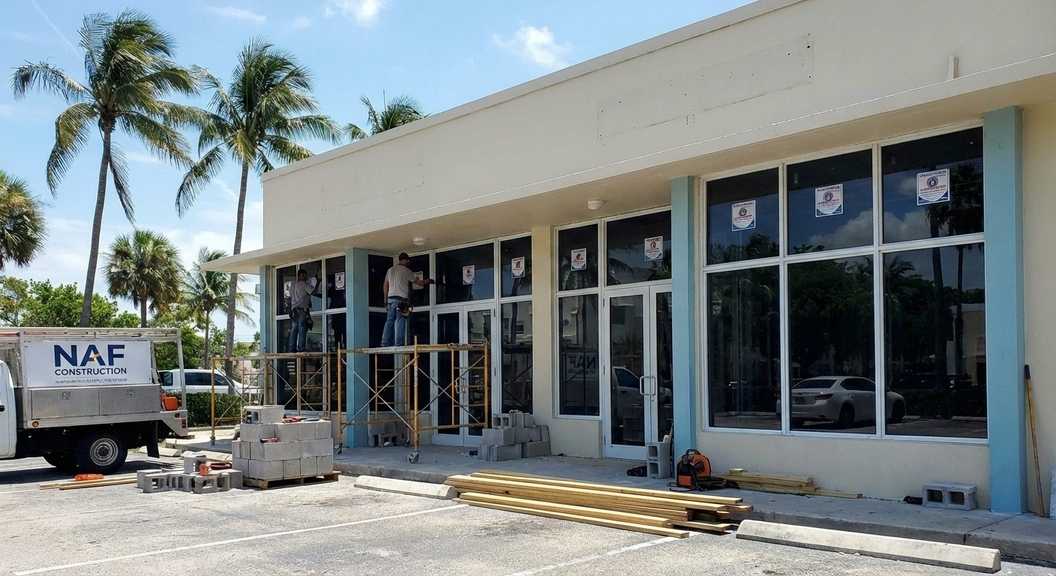
If your remodel doesn't account for hurricane season, you're setting yourself up for disaster. South Florida's building codes exist for a reason, and they're stricter than most of the country. Commercial impact storm windows, reinforced doors, and upgraded roofing aren't just nice-to-haves—they're often required by code and always smart investments.
Beyond compliance, these upgrades protect your business when storms roll through. They can also lower your insurance premiums and give you leverage when negotiating coverage. Don't treat hurricane mitigation as an afterthought. Build it into your plans early, and make sure your contractor is using materials and methods that meet or exceed Florida Building Code standards.
Budget for the Unexpected Because It Will Happen
Remodeling costs in South Florida can spiral quickly. Labor rates are high, materials can be delayed, and once you open up walls or ceilings, you might find issues that weren't visible during the initial walkthrough. Electrical systems that need upgrading. Plumbing that's out of code. Structural damage from moisture or pests.
Set aside at least 10 to 20 percent of your total budget as a contingency fund. That cushion gives you room to handle surprises without derailing the entire project. And don't assume the lowest bid is the best deal. Cheap contractors often cut corners or underestimate costs, leaving you with change orders and delays. Get detailed quotes, compare apples to apples, and make sure everything is in writing.
Downtime Costs More Than You Realize
Every day your business is closed or operating at reduced capacity, you're losing revenue. Remodeling can disrupt operations in ways that aren't always obvious until you're in the middle of it. Noise, dust, blocked access, and safety concerns can all impact your ability to serve customers or keep employees productive.
Plan your timeline strategically. Some businesses choose to remodel during slower seasons or after hours to minimize disruption. Others opt for phased construction, keeping part of the space operational while work continues elsewhere. Whatever approach you take, communicate clearly with your customers. Let them know what's happening, how long it will take, and what to expect. Transparency builds trust, and a well-executed remodel can actually generate buzz and bring people back once you reopen.
Energy Efficiency Pays Off Fast in This Climate
South Florida's heat and humidity are relentless, and your HVAC system is probably working overtime. A remodel is the perfect opportunity to upgrade to energy-efficient systems that cut utility costs and improve comfort. LED lighting, high-efficiency air conditioning, and better insulation can make a noticeable difference on your monthly bills.
Sustainable materials and water-saving fixtures are also worth considering. They appeal to eco-conscious customers and may qualify you for local or federal incentives. Don't just focus on what looks good—think about what will save you money and reduce your environmental footprint over the long haul.
Hire People Who Know South Florida
Not all contractors are created equal, and experience matters. You want a team that understands the unique challenges of building in South Florida—from navigating permitting to sourcing materials that can withstand the climate. Local professionals know which inspectors to work with, which suppliers are reliable, and how to avoid common pitfalls.
Ask for references and review past projects. Verify licenses and insurance. And don't just hire based on price. A contractor who's done commercial work in your area will save you time, money, and headaches in the long run. The cheapest bid often comes with the most expensive problems.
Design for What's Next, Not Just What's Now
Your business will evolve, and your space should be able to keep up. Open floor plans, modular furniture, and flexible layouts give you room to adapt as your needs change. Investing in upgraded wiring, smart systems, and scalable infrastructure now can save you from costly retrofits later.
Think about where your business is headed. Are you planning to expand? Add new services? Hire more staff? Build those possibilities into your design so you're not locked into a layout that becomes obsolete in a few years.
Key Considerations Before You Start
Before you sign any contracts or break ground, make sure you've covered these bases:
- Confirm all permits are in place and approved by the local building department
- Verify your contractor is licensed, insured, and experienced with commercial projects in South Florida
- Review your budget and set aside a contingency fund for unexpected costs
- Plan your timeline to minimize disruption to daily operations and customer experience
- Ensure all hurricane mitigation measures meet or exceed Florida Building Code requirements
Materials That Hold Up in South Florida
Not every material is suited for the heat, humidity, and salt air that define this region. Choosing the wrong finishes or structural components can lead to premature wear, mold growth, or costly repairs. Stick with materials that are proven to perform in South Florida's climate:
- Impact-resistant glass for windows and doors
- Moisture-resistant drywall and insulation in high-humidity areas
- Corrosion-resistant hardware and fixtures, especially near the coast
- Tile or sealed concrete flooring that can handle moisture and heavy foot traffic
- Exterior finishes designed to resist UV damage and saltwater exposure
What to Ask Your Contractor Upfront
Don't wait until problems arise to start asking questions. A good contractor will be transparent about timelines, costs, and potential challenges. Here's what you should clarify before signing anything:
- What permits are required and who is responsible for obtaining them
- How long the project will take from start to finish, including permitting and inspections
- What happens if unexpected issues are discovered during construction
- Who handles cleanup, waste removal, and site safety during the project
- What warranties or guarantees are provided on labor and materials
Insurance and Liability During Construction
Remodeling introduces risk, and you need to make sure you're covered. Your contractor should carry general liability insurance and workers' compensation, but you should also review your own business insurance policy to understand what's covered during construction. Some policies exclude damage caused by renovations or require additional riders.
Talk to your insurance agent before work begins. Confirm that your property, inventory, and liability are protected throughout the project. If your business will remain open during construction, make sure you have coverage for any accidents or injuries that could occur on-site.
Common Mistakes That Cost Business Owners
We've seen plenty of remodels go sideways, and most of the time it's because business owners skipped steps or made assumptions. Here are the mistakes that show up most often:
- Starting work without all permits in place, leading to stop-work orders and fines
- Underestimating the timeline and disrupting operations longer than planned
- Choosing contractors based solely on price instead of experience and reputation
- Ignoring hurricane mitigation requirements and facing higher insurance costs or code violations
- Failing to communicate with customers, resulting in lost business and damaged reputation
When to Bring in a Professional Project Manager
If your remodel is complex or you're juggling multiple contractors, a project manager can be worth the investment. They coordinate schedules, manage budgets, handle permitting, and keep everyone on track. For business owners who can't afford to be on-site every day, a project manager ensures the work gets done right without constant oversight.
This is especially valuable if you're dealing with structural changes, extensive electrical or plumbing work, or tight deadlines. A good project manager has relationships with local inspectors and suppliers, which can speed up approvals and reduce delays. For businesses in Fort Lauderdale or Boca Raton, working with experienced professionals who understand local requirements can make all the difference.
Remodeling Smart Means Protecting What You've Built
A remodel should strengthen your business, not set it back. That means planning for the long term, understanding the risks, and working with people who know what they're doing. South Florida's climate and regulations demand more attention than most markets, but the payoff is a space that's built to last and designed to grow with you. Don't cut corners. Don't skip permits. And don't assume everything will go according to plan. The businesses that come out ahead are the ones that prepare for what's coming and build with intention.
Let's Build Your Next Chapter Together
Remodeling in South Florida is a big step, but with the right team, it can be the smartest move you make for your business. We’re here to help you navigate every detail, from permits to hurricane standards, so you can focus on what matters most—growing your business. Give us a call at 954-351-8356 or request a quote and let’s get your project started on the right foot.
‹ Back
Recent Posts
-
-
Renovating a Davie Home Without Hidden Surprises
April 22, 2026
-
Is Your Concrete Slab in Davie Showing Cracks?
April 8, 2026
-
Room Additions in Davie That Add Home Value
March 25, 2026
-